Reformer at Work: Improving Posture for Desk-Based Tech Teams
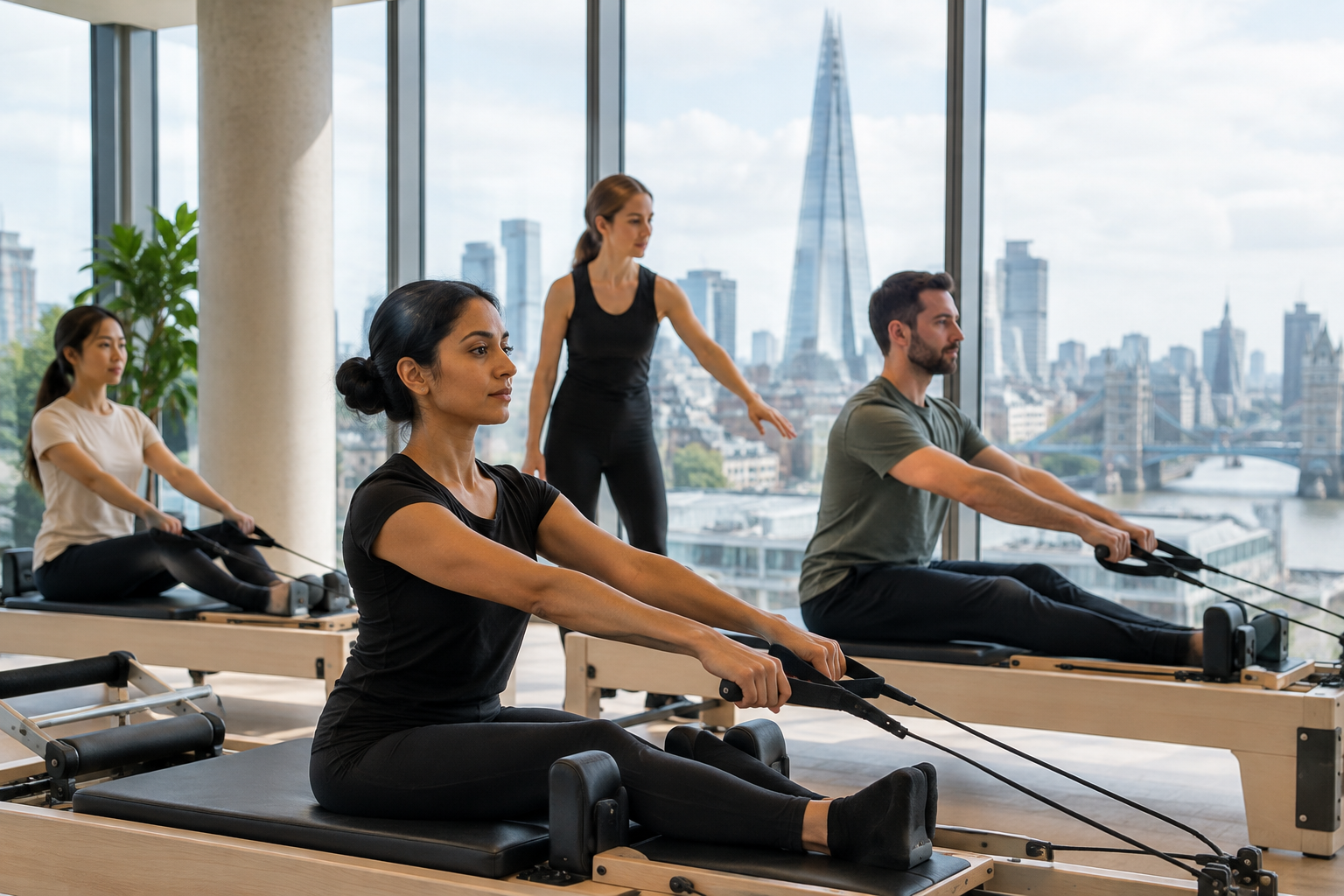
Discover how targeted posture-focused movement and Reformer at Work workshops can combat screen fatigue and sedentary strain in fast-growing London technology companies.
Reformer at Work: Improving Posture for Desk-Based Tech Teams
In the fast-paced world of London’s technology sector, the focus is often on the next release, the latest sprint, or the upcoming funding round. However, the physical toll of this rapid growth is frequently overlooked. Developers, product managers, and engineers spend upwards of eight to ten hours a day tethered to high-resolution screens, often in postures that compromise their long-term health. This sedentary lifestyle leads to a specific set of challenges: chronic neck pain, lower back strain, and the pervasive mental cloud known as screen fatigue.
For People Partners and Office Managers, the challenge is no longer just about providing the right software tools; it is about maintaining the human hardware. As teams scale and delivery cycles tighten, the physical health of the workforce becomes a critical factor in maintaining productivity and preventing burnout. Traditional office setups are evolving, and the wellbeing strategies supporting them must follow suit to address the unique demands of the tech industry.
The Hidden Cost of the Tech Sprint: Screen Fatigue and Sedentary Strain
Screen fatigue is more than just tired eyes. It is a systemic issue that stems from prolonged periods of static posture combined with intense cognitive load. When a developer is deep in code, their body often rounds forward, the chin juts toward the monitor, and the shoulders hike toward the ears. This 'tech neck' isn't just an aesthetic concern; it restricts breathing, reduces blood flow to the brain, and leads to tension headaches that can derail a productive afternoon.
Furthermore, the sedentary nature of tech work is a primary driver of sickness absence. In a sector where specialist talent is difficult to replace, losing a key engineer to repetitive strain or back issues can stall a product launch for weeks. By addressing these physical pain points through proactive movement, technology companies can reduce the strain of fast growth and ensure their teams remain resilient during high-pressure delivery cycles.
Why Traditional Ergonomics Isn't Enough for Hybrid Tech Teams
Most London tech firms have invested heavily in ergonomic chairs and standing desks. While these are essential foundations, they are passive solutions. A high-end chair cannot fix the musculoskeletal imbalances caused by sitting for hours on end without movement. For hybrid teams, the problem is compounded; while the office might be perfectly set up, the home environment often consists of kitchen chairs or sofas, leading to inconsistent posture and increased physical stress.
What is required is a shift from passive ergonomics to active movement. This is where Reformer at Work Workshops for London Teams provide a significant advantage. By teaching employees how to engage their core, reset their spine, and implement functional movement into their day, companies provide a portable wellbeing tool that works whether the employee is in a Shoreditch coworking space or a home office in Zone 4.
Reformer at Work Workshops for London Teams: A New Standard
Our workshops are designed specifically for the desk-bound professional. Unlike generic fitness classes, these sessions focus on the specific biomechanics of office work. We concentrate on opening the chest, strengthening the posterior chain, and mobilizing the thoracic spine—the areas most affected by long hours at a keyboard. By bringing these movement principles directly into the workplace, we remove the barriers to participation that often plague tech teams.
These workshops are not about a full-body workout that leaves staff sweaty and tired; they are about precision movement that leaves them feeling aligned and energized. For a busy Office Manager, the ease of implementation is key. We provide a structured, low-disruption intervention that fits into a lunch hour or a mid-afternoon break, providing a necessary mental and physical reset during a busy sprint.
Targeted Posture Assessment
Every workshop begins with an understanding of how the individual interacts with their workstation. A posture assessment helps employees identify their own patterns of tension, allowing them to apply specific movements to correct their alignment throughout the day.
Screen Fatigue Workshops
We integrate specific techniques to combat digital overload. By combining physical movement with eye-relaxation exercises and breathwork, we help teams manage the sensory input of a high-tech environment, reducing the likelihood of burnout and improving focus.
Tackling Screen Fatigue Through Posture and Movement
There is a direct physiological link between posture and mental clarity. When the body is slumped, lung capacity is reduced, meaning less oxygen reaches the brain. This contributes significantly to the 'fog' often associated with screen fatigue. By utilizing Reformer-style movements that emphasize spinal extension and diaphragmatic breathing, employees can physically 'open up' their capacity for focus.
For fast-growth companies, this is a productivity play as much as a wellness one. A team that knows how to reset their physical state is a team that can sustain high-level cognitive performance for longer periods without the crash. It turns workplace wellbeing from a 'nice-to-have' perk into a strategic tool for maintaining a competitive edge in the London tech market.
Building Team Cohesion in a Hybrid Tech Landscape
In a hybrid working world, the biggest challenge for People Partners is maintaining a sense of culture and connection. When teams are rarely in the office at the same time, shared experiences become incredibly valuable. A workplace wellbeing event serves as a social anchor, giving remote and office-based staff a reason to connect over something other than a Jira ticket.
Investing in high-impact wellness events also sends a clear message to current and prospective talent: this is a company that values its people. In the highly competitive tech recruitment landscape, showing a commitment to ergonomic support and mental wellbeing can be the deciding factor for a senior developer choosing their next role. By prioritizing the physical health of your team, you aren't just reducing sickness absence; you are building a culture of care that attracts and retains the best in the business.
Ultimately, the goal of any tech firm is to scale efficiently. That scaling is only possible if the people behind the code are healthy, focused, and free from the chronic strain of sedentary work. Through targeted movement and posture-focused workshops, London’s tech teams can finally find the balance between high-performance output and long-term physical wellbeing.