Reformer at Work: Solving the Screen Fatigue Crisis in Tech Teams
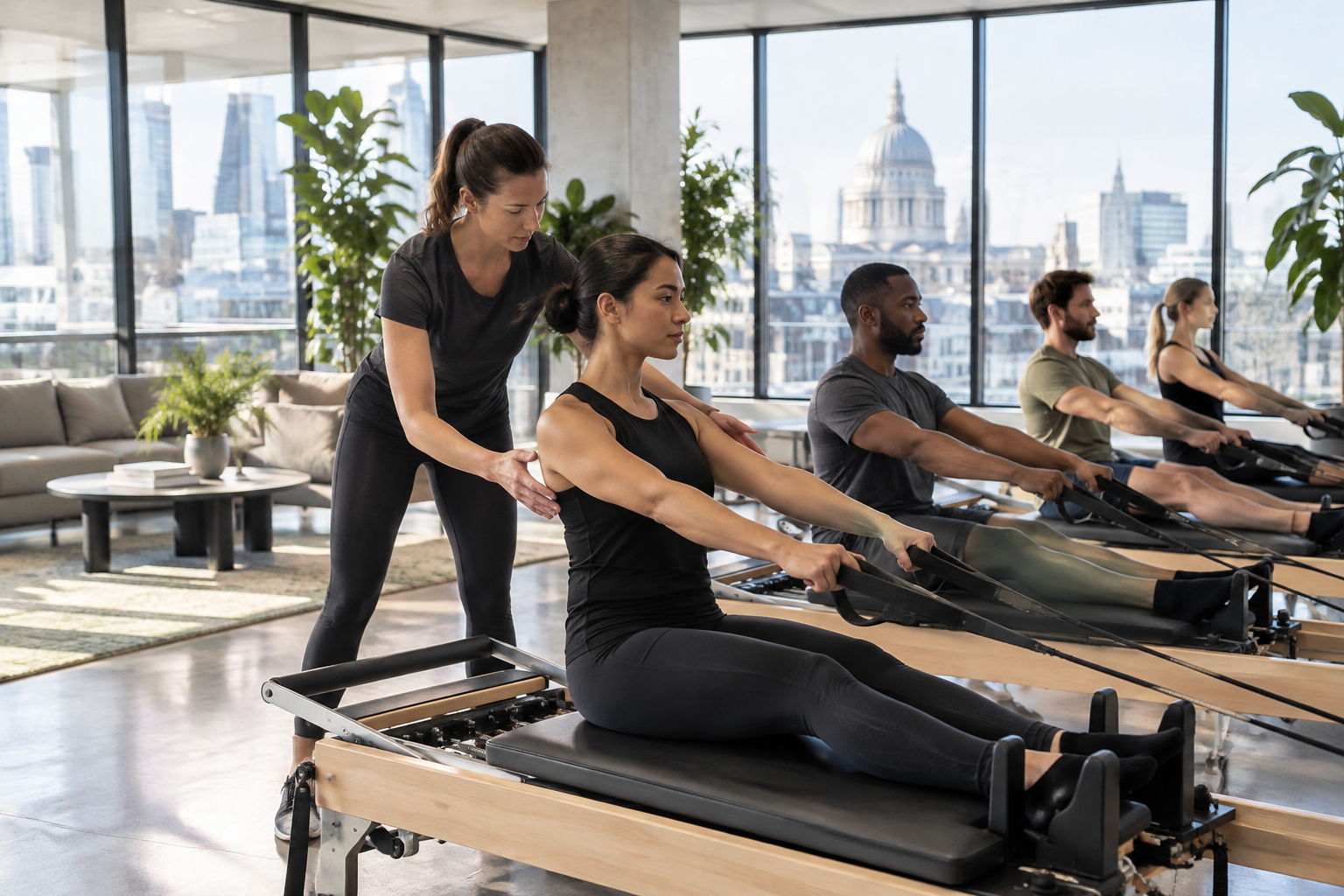
Discover how targeted movement and ergonomic interventions can combat digital overload and burnout in fast-growth technology companies.
Reformer at Work: Solving the Screen Fatigue Crisis in Tech Teams
In the high-octane world of London’s technology sector, the race to scale often leaves physical wellbeing in the rearview mirror. For People Partners and Office Managers, the challenges are visible: developers hunched over dual monitors, product teams pushing through late-night delivery sprints, and the creeping shadow of screen fatigue that drains creativity. As companies grow from 20 to 2,000 employees, the strain on the human element of the business becomes a critical risk factor. The solution isn't found in another software subscription, but in a return to physical alignment.
The Digital Toll of Rapid Growth
Rapid growth is the goal of every tech firm, yet it carries a hidden cost. When a team is in the middle of a launch cycle, the focus is entirely on the code, the UI, and the deployment. During these periods, sedentary behavior peaks. Screen fatigue is often dismissed as a minor inconvenience, but for a software engineer or product manager, it manifests as digital overload, leading to decreased cognitive function and, eventually, total burnout.
This isn't just about tired eyes. It is about the musculoskeletal strain caused by hours of static posture. When the body is locked in a seated position, blood flow decreases, and the nervous system remains in a state of low-level stress. For fast-growth companies, this physical stagnation translates directly into high sickness absence and a dip in employee engagement. To retain specialist talent in a competitive market, firms must address the physical reality of the desk-bound workday.
Why Standard Perks Fail the Screen Fatigue Test
Many technology companies rely on employee perk platforms or generic EAPs to tick the 'wellbeing' box. While these have their place, they rarely solve the immediate, physical problems of a hybrid workforce. A voucher for a gym or a meditation app does little to correct the 'tech neck' developing during a six-hour coding session.
What is required are screen fatigue workshops and physical interventions that meet the team where they are—whether that is in a Shoreditch office or a home setup. The challenge for People Partners is creating a sense of cohesion. Generic perks are solitary; however, workplace wellbeing events in London that focus on collective movement help bridge the gap between remote and office-based staff, fostering a culture of health that is shared rather than individualised.
The Science of Movement in Tech Environments
Effective workplace ergonomics goes beyond adjusting chair height. It involves active education on how posture affects mental output. When we address the physical alignment of a team, we are essentially performing maintenance on the company’s most valuable assets. Movement-based sessions, even as short as 30 minutes, can reset the nervous system and alleviate the pressure on the lumbar spine and neck.
Addressing Tech Neck and Sedentary Strain
Specific movements designed to counteract the forward-leaning posture of laptop users can significantly reduce the incidence of tension headaches and repetitive strain injuries. By implementing targeted workshops, tech companies can provide their developers with the tools to manage their own physical health during high-pressure sprints.
Improving Cognitive Load through Ergonomics
There is a direct link between physical comfort and focus. A team that isn't distracted by back pain or eye strain is a team that can maintain deep work for longer periods. This is the business case for wellbeing: it is a performance enhancer that simultaneously reduces the long-term risk of burnout.
Building a Sustainable Culture Through Workplace Wellbeing Events in London
For an Office Manager or Founder, the biggest objection to wellbeing initiatives is often the schedule. "Our developers won't step away from their deadlines," is a common refrain. However, the cost of a burnt-out developer far outweighs the cost of a 30-minute wellbeing session. The key is integration.
By scheduling workplace wellbeing events in London during natural breaks in the sprint cycle or as part of a return-to-office day, companies can ensure high participation. These events serve as a tangible demonstration that the company values the person, not just the output. As you scale, these initiatives become a cornerstone of your employer brand, making the company more attractive to top-tier talent who are increasingly looking for workplaces that support their long-term health.
Ultimately, solving the screen fatigue crisis requires a shift in perspective. It is about moving from reactive fixes to a proactive, movement-based culture. When you prioritise the physical health of your tech team, you aren't just preventing sickness; you are powering the next phase of your company's growth.